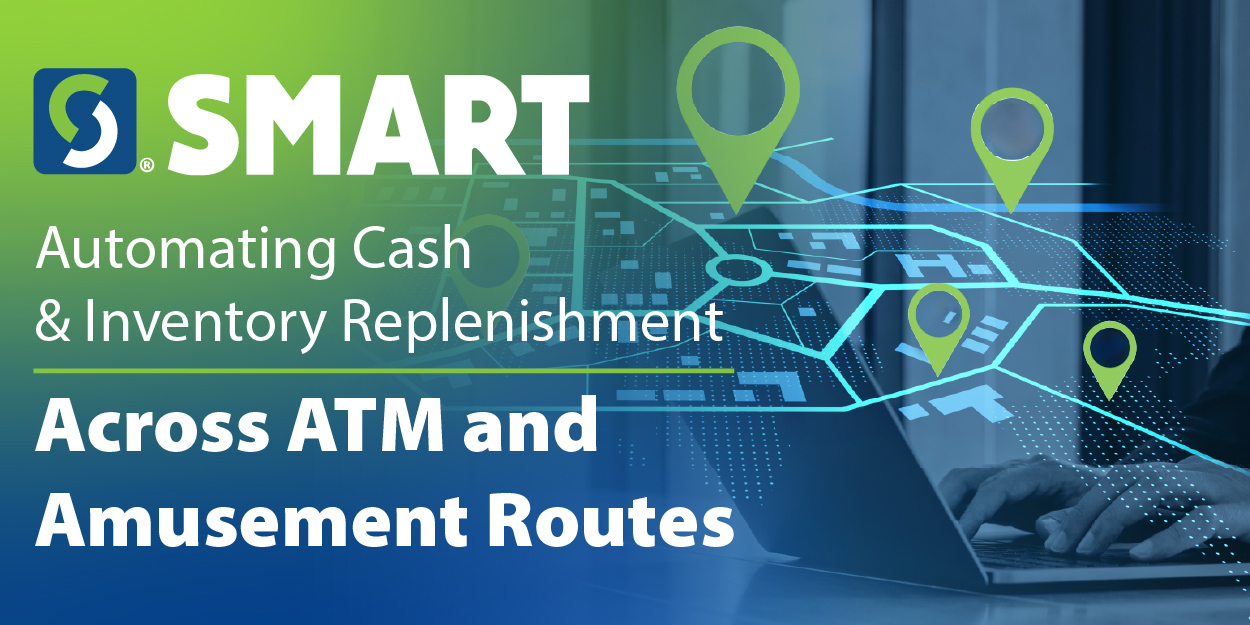
Managing ATM cash levels and amusement inventory has traditionally relied on manual scheduling, technician experience, and educated guesswork. While those methods may have worked in the past, today’s route operators need smarter tools that improve efficiency, reduce unnecessary service trips, and ensure machines remain operational. By leveraging cash replenishment automation, operators can make data-driven decisions that improve profitability while simplifying day-to-day operations.
Why Manual Replenishment Creates Operational Bottlenecks
Manual replenishment often leads to inconsistent service schedules and inefficient routing. Without accurate forecasting, operators risk arriving at ATMs that still have plenty of cash or amusement machines that don’t require inventory replenishment. Conversely, waiting too long can result in cash shortages, empty redemption inventory, or unnecessary downtime that negatively impacts customer satisfaction.
These reactive processes consume valuable technician time, increase fuel costs, and make it difficult to scale operations as route networks grow.
How Automated Forecasting Improves Route Efficiency
Modern ATM forecasting tools eliminate much of the uncertainty by analyzing historical transaction data, seasonal trends, and machine activity to predict replenishment needs before issues occur.
Instead of servicing every machine on a fixed schedule, operators can prioritize locations that actually require attention. Intelligent forecasting helps optimize routes, reduce unnecessary stops, and ensure technicians arrive with the right amount of cash or inventory at the right time.
The result is improved machine uptime, better resource allocation, and a more efficient route operation overall.
Streamlining Vendor Coordination with Unified Software
Many operators manage multiple vendors, equipment types, and service providers across their business. When information is spread across disconnected systems, coordinating replenishment schedules becomes time-consuming and prone to errors.
A unified software platform centralizes operational data, allowing teams to monitor ATM cash levels, amusement inventory, service activity, collections, and route performance from a single location. This streamlined approach reduces communication delays, improves visibility across departments, and allows everyone to work from the same real-time information.
Instead of juggling spreadsheets and multiple software programs, operators gain one connected workflow that keeps operations moving efficiently.
Cost Savings from Smart Replenishment Scheduling
Automated replenishment delivers measurable cost savings throughout the organization. Fewer unnecessary service visits translate directly into lower fuel expenses, reduced vehicle wear, and more productive technician schedules.
By servicing machines based on actual demand rather than fixed intervals, operators can maximize technician productivity while maintaining optimal cash availability and inventory levels. Better forecasting also reduces emergency service calls, improves cash control, and helps businesses make more informed operational decisions.
Over time, these efficiencies contribute to lower operating costs and stronger overall profitability.
How SMART Software Enables Automated Replenishment Workflows
SMART Software provides operators with the tools needed to simplify and automate replenishment across ATM and amusement routes. From intelligent forecasting and route optimization software to integrated collections, inventory management, service tracking, and reporting, SMART helps operators replace manual processes with connected, data-driven workflows.
By bringing every aspect of route management together in one platform, SMART Software empowers operators to improve efficiency, reduce costs, and deliver better service across every location.
Ready to modernize your route operations?
Contact SMART Software to learn how automated replenishment workflows can help your business operate more efficiently while improving profitability.
Comments are closed.